

I’ll help you create a long-form blog post about the “Image of Memorial Day” following the specified guidelines. I’ll use web search to gather accurate and meaningful content. Based on the search results, I’ll craft a blog post about the “Image of Memorial Day” following the specified guidelines:
The image of Memorial Day is a profound tapestry of remembrance, sacrifice, and national unity that transcends generations. Rooted deeply in American history, this solemn day represents more than just a holiday—it is a powerful commemoration of those who gave their lives defending the principles of freedom and democracy.
Origins of a National Remembrance
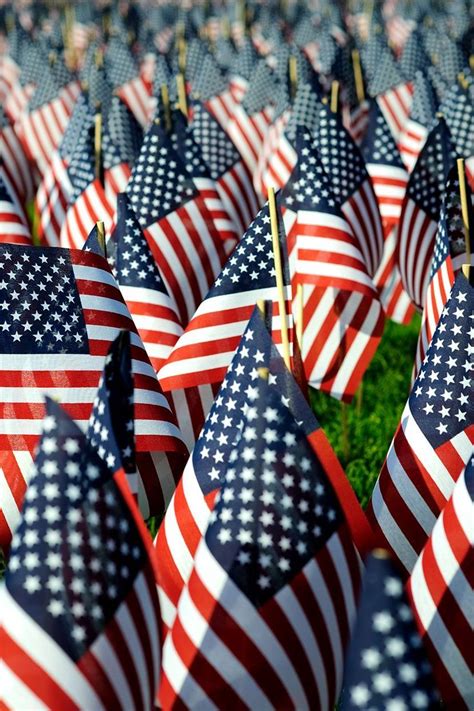
The image of Memorial Day emerged from the ashes of the Civil War, a conflict that claimed over 620,000 military lives. In the late 1860s, communities across the nation began a touching tradition of decorating soldiers’ graves with flowers, creating a visual representation of gratitude and mourning. General John A. Logan formalized this practice on May 5, 1868, when he issued a proclamation designating May 30 as a day to strew flowers on the graves of fallen soldiers.
Evolving Symbolism Through Decades
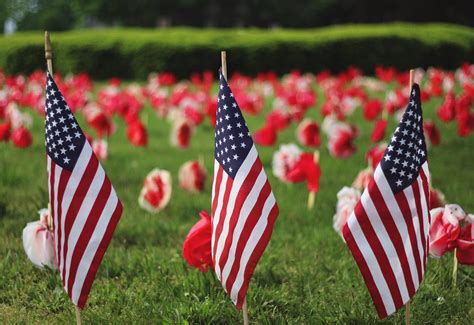
The image of Memorial Day has transformed significantly over time. What began as a tribute to Civil War casualties gradually expanded to honor those who died in all American military conflicts. The visual narrative shifted from local cemetery gatherings to nationwide commemorations, including:
- Solemn flag-draped memorials
- Veteran parades displaying patriotic unity
- National cemetery ceremonies with thousands of participants
- Moments of silent reflection
Modern Representations of Remembrance

Today, the image of Memorial Day is a complex mosaic of remembrance and respect. While the day maintains its core purpose of honoring fallen service members, it has also become a symbol of national resilience. Key modern representations include:
- National Moment of Remembrance at 3:00 PM local time
- Ceremonial wreath-laying at monuments
- Communities wearing red poppies
- Family gatherings that blend solemnity with celebration
Visual Traditions

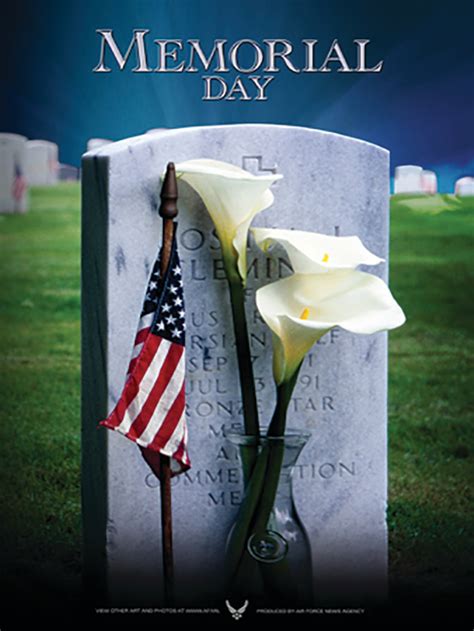
The visual language of Memorial Day has been carefully preserved through various traditions. Photographs and historical records showcase powerful images: veterans decorating graves, military personnel in formal uniforms, and communities coming together in shared grief and gratitude.
🇺🇸 Note: When observing Memorial Day, remember it's a time of profound reflection, not just a celebratory weekend.
Memorial Day represents more than a date on the calendar—it is a living tribute to those who made the ultimate sacrifice. The image of Memorial Day continues to evolve, but its core message remains unchanged: honoring the brave men and women who gave their lives to protect our nation's freedoms.
What is the difference between Memorial Day and Veterans Day?

+
Memorial Day honors those who died while serving in the military, while Veterans Day celebrates all who have served in the U.S. military.
When did Memorial Day become a federal holiday?
+
Memorial Day became a federal holiday in 1971 through the Uniform Monday Holiday Act, which moved the observance to the last Monday in May.
How can I respectfully observe Memorial Day?
+
Attend local memorial services, visit veterans’ cemeteries, participate in the National Moment of Remembrance, and reflect on the sacrifices of fallen service members.